Brittle Bones, Unbreakable Voices: Nigeria’s Fight to Put OI on the Map

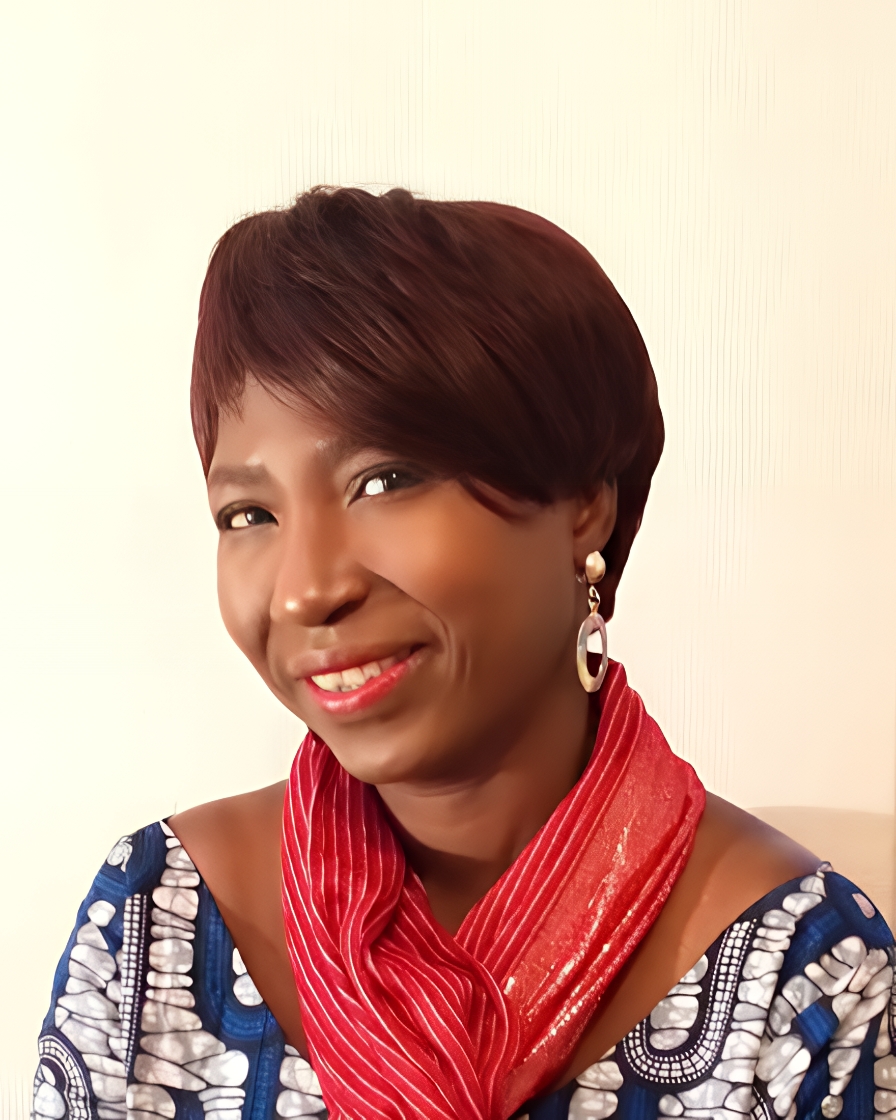
Mrs Tarela Aghanti, Founder and CEO, Osteogenesis Imperfecta Foundation Network
For the thousands of Nigerians living with osteogenesis imperfecta, a rare genetic disorder that causes bones to break with little or no force, the challenge has never been only physical. It has been invisibility.
That invisibility is now the target.
The Osteogenesis Imperfecta Foundation Network (OIFN) has taken its campaign to the streets and institutions of Abuja this May, mounting a city-wide push to drag a little-known condition into the centre of Nigeria’s health, education, and public conversations. The campaign, running under the banner “Hope, Strength, and Resilience,” arrives as global OI awareness activities peak, and its organisers are determined to ensure Nigeria is no longer a bystander.
Founder of OIFN, Mrs Tarela Aghanti describes the effort as a deliberate intervention across three fronts. In hospitals and medical schools, the campaign is challenging healthcare professionals and students to move beyond textbook gaps, building clinical familiarity with OI through research-led discussions, hands-on training, and exposure to multidisciplinary care, spanning orthopaedics, genetics, physiotherapy, and mental health.
“By embedding research at the core of this initiative, we’re ensuring that awareness translates into better clinical competence, improved patient outcomes, and a more responsive healthcare system for rare diseases,” Mrs Aghanti said.
The push does not stop at hospital corridors. Universities and training institutions are being drawn into the conversation, with OI woven into academic dialogue and case-based learning. The logic is straightforward: future doctors who encounter rare diseases early become practitioners who can recognise and respond to them. Empathy, the Foundation argues, is also a clinical skill, and it must be trained.
The campaign’s most visible moment comes at Eagle Square, where families, policymakers, advocates, and community members will gather to share lived experiences and demand that OI take its rightful place in Nigeria’s broader social conscience.
“Awareness must exist where people live, interact, and make decisions,” Mrs Aghanti said. “This is where clinical and academic knowledge meets everyday life.”
The stakes are real. Without early recognition, OI patients face years of misdiagnosis, unnecessary stigma, and fractured support systems. The Foundation’s goals, to inform, connect, and drive action, are rooted in a conviction that awareness is not symbolic. For patients and families, it means dignity, visibility, and clearer care pathways. For the healthcare system, it means fewer missed diagnoses and stronger cross-disciplinary collaboration.
“‘Hope, Strength, and Resilience’ is more than a theme, it is a commitment to visibility, equity, and lasting impact,” Mrs Aghanti said.
“This May, we raise our voices for awareness, inclusion, and a future where individuals living with OI are fully embraced by healthcare systems and society. Because awareness is the way forward, and inclusivity is the future we are building together.”
Operating across both Nigeria and the United Kingdom, the Osteogenesis Imperfecta Foundation Network is staking its claim: that rare does not have to mean forgotten.


About Post Author
